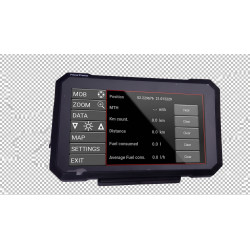
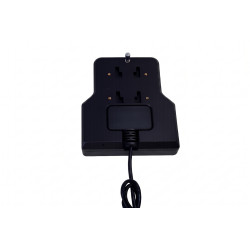


7" IPS touchscreen with High Brightness Display (1000 nits)
waterproof display with IPX6 protection
Android 12 with 4 GB RAM and 64 GB storage
Wireless connection to the fuel measurement module via Bluetooth 5.0
Built-in GPS, Galileo, GLONASS and BDS receiver
Wi-Fi and 4G LTE connectivity
Version for 2 diesel engines with fuel return

Secure payment
 Return policy
14 days to return
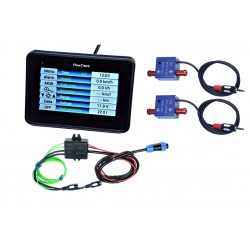
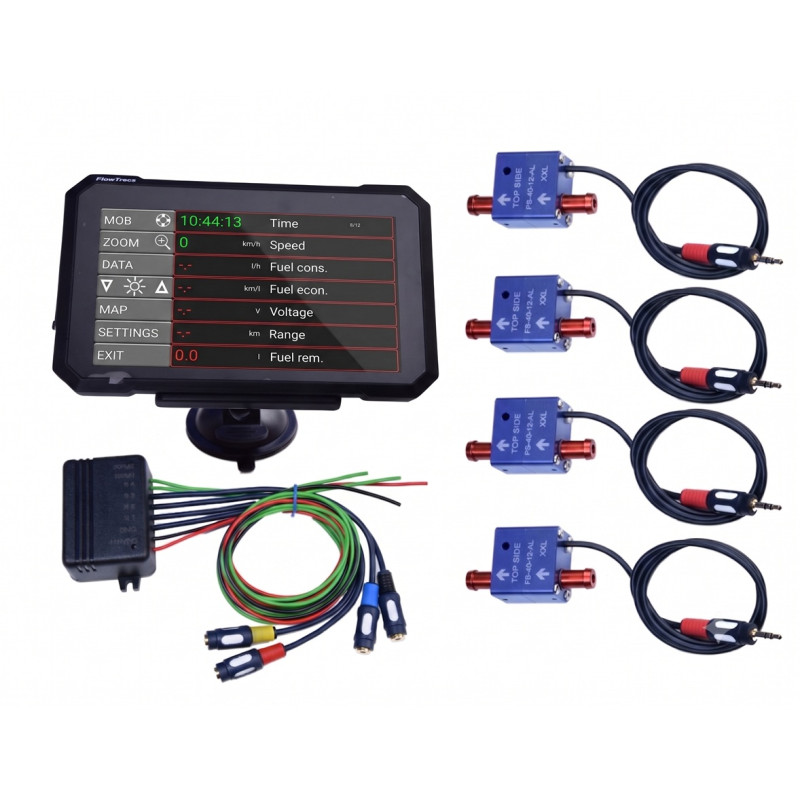
Flowtrecs C7 Ultra Android BT DUO Diesel is a comprehensive fuel monitoring system designed for boats and yachts equipped with two diesel engines with fuel return lines.
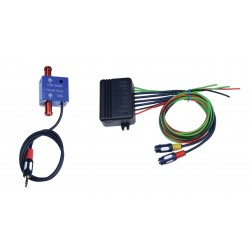
The system uses four fuel flow sensors. Each engine has one sensor installed in the fuel supply line and one in the return line. The actual fuel consumption of each engine is calculated continuously as the difference between the supply and return flow.
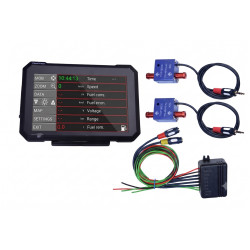
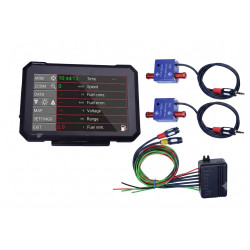
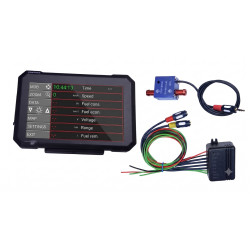
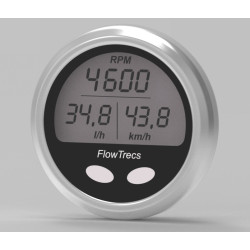
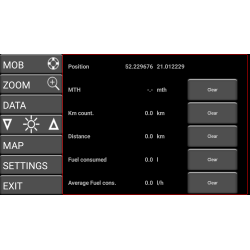
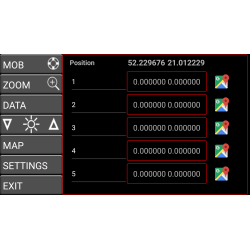
The system displays the fuel consumption of each engine, combined fuel consumption, total fuel used, fuel economy, remaining fuel, estimated range, engine RPM, GPS speed, battery voltage and statistical data. Additional safety functions, such as MOB – Man Overboard – are also included.
The system is equipped with a bright 7" IPS capacitive touchscreen with 1000 nits brightness. The display has a durable, waterproof housing with IPX6 protection, making it suitable for marine environments and exposed installation locations. The system also includes four durable aluminum alloy flow sensors with internal sapphire bearings.
The display runs on Android 12 and features an Octa-Core processor, 4 GB RAM and 64 GB internal storage. Users can install additional applications such as maps, navigation and weather apps. A wireless Bluetooth 5.0 connection between the measurement hub and the display simplifies installation by eliminating long signal cable runs between the engine compartment and the cabin.
Sensor capacity: For diesel engines equipped with fuel return lines, the sensors must be selected according to the full fuel pump flow rate of each engine, not only according to the actual fuel consumption.
A diesel fuel pump normally circulates significantly more fuel than the engine consumes. The unused fuel returns to the tank through the return line. All sensors must therefore be capable of measuring the full circulating fuel flow.
Example: if an engine consumes 50 l/h while its feed line carries 100 l/h, the feed sensor must accommodate 100 l/h, not just the 50 l/h consumed. XL may be suitable. We confirm the final selection after checking the minimum and maximum flow in both the feed and return lines and the installation requirements, including allowable pressure loss.
The specified flow range applies to each sensor separately.
Live fuel-consumption and fuel-economy readings help you adjust speed, trim and load distribution. Choosing efficient settings can reduce fuel use and running costs; savings depend on the boat, conditions and the skipper’s adjustments.
After purchasing, please specify the manufacturer, model, power, year and fuel pump capacity of both engines in the order comments. We will verify the most suitable sensor version for your installation.
Data sheet
7" IPS touchscreen with High Brightness Display (1000 nits)
waterproof display with IPX6 protection
Android 12 with 4 GB RAM and 64 GB storage
Wireless connection to the fuel measurement module via Bluetooth 5.0
Built-in GPS, Galileo, GLONASS and BDS receiver
Wi-Fi and 4G LTE connectivity
Version for 2 diesel engines with fuel return